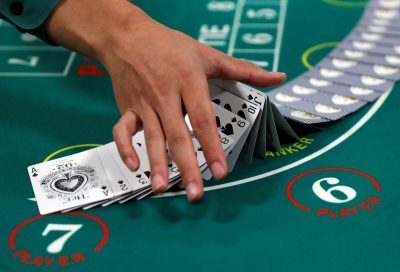
The Thrill of Risk and Reward
At the heart of gambling lies the exhilarating sensation of risk and reward. The anticipation of winning can create an adrenaline rush that many find irresistible. This intense emotional response is intricately linked to our brain’s reward system, which releases dopamine—the neurotransmitter associated with pleasure—when we win or even anticipate winning. In this context, players often seek options that offer a good experience, including fast casino withdrawal methods, as this biological mechanism not only makes gambling exhilarating but also explains why individuals might continue to play despite facing losses. The potential for a large payout can be more appealing than the reality of consistent losses.
Moreover, the structure of many gambling activities is designed to heighten this feeling of risk and reward. For instance, games that offer intermittent rewards—such as slot machines or roulette—trigger a psychological phenomenon known as variable ratio reinforcement. This means that players receive rewards at unpredictable intervals, making the experience more addictive. Over time, players become conditioned to associate gambling with excitement and pleasure, further drawing them into a cycle of repeated play.
The thrill associated with placing bets can also be influenced by personal factors. For some, gambling serves as an escape from everyday stress or monotony. The act of gambling can temporarily transport individuals away from their problems, providing a sense of excitement and engagement they may lack in their daily lives. This interplay between psychological needs and the enticing nature of gambling often culminates in a robust compulsion to play.
The Social Aspect of Gambling
Gambling is not just a solitary activity; it is often a social experience that brings people together. Many individuals find enjoyment in the communal atmosphere of gaming establishments or gambling events, where they share in the excitement of wins and losses. This social aspect can enhance the overall experience, creating bonds between friends and strangers alike, as they collectively cheer for wins or commiserate over losses. The inherent human desire for social connection is thus amplified in social gambling settings.
Furthermore, the interaction with others can significantly influence individual behavior in gambling scenarios. Social dynamics, such as peer pressure or the desire to impress others, can lead people to gamble more than they initially planned. This social influence can create an environment where the stakes feel higher, fueling a need to participate further. The shared experience can also create a sense of belonging, making gambling a more appealing option for many.
Lastly, social media has transformed the way people approach gambling. Online platforms now allow players to share their experiences and successes, creating virtual communities centered around the activity. This digital interaction can lead to a heightened sense of excitement, as players seek validation from their peers. The blend of social interaction and the thrill of gambling makes it a compelling activity that satisfies various psychological needs.
The Role of Cognitive Biases
Cognitive biases significantly impact our perception of gambling outcomes. One of the most common biases is the illusion of control, where players believe they can influence the outcome of games of chance. This misconception can lead individuals to make irrational bets, thinking they have a higher chance of winning than they actually do. Such biases create a false sense of security that can encourage people to gamble more frequently, leading to potential issues with responsible gambling.
In addition to the illusion of control, the gambler’s fallacy is another psychological phenomenon that can skew perceptions. This fallacy occurs when individuals believe that past outcomes will affect future results, such as thinking that after a series of losses, a win is „due.“ This flawed reasoning can compel players to continue betting, despite mounting losses, leading to a deeper entrapment in gambling behavior. Understanding these cognitive biases is crucial for recognizing why some individuals struggle to maintain control over their gambling habits.
Furthermore, the availability of information can exacerbate these biases. In today’s digital age, players have access to an abundance of statistics and data that they might use to justify their gambling decisions. However, this information can often be misleading or misinterpreted, reinforcing cognitive biases and leading to poor decision-making. Awareness of these psychological patterns can be essential for individuals seeking to understand their relationship with gambling and strive for healthier habits.
The Emotional Rollercoaster of Gambling
The emotional landscape of gambling is complex and multifaceted. Players often experience a rollercoaster of emotions, ranging from euphoria to despair, with each win or loss. This emotional fluctuation can be addictive in itself, as the highs of winning can overshadow the lows of losing. The powerful connection between emotions and gambling can lead many individuals to chase their losses, hoping to recapture that initial thrill, which often results in further financial distress.
Additionally, the social and emotional repercussions of gambling can escalate beyond the individual. Family members and friends of those who gamble may also experience a range of emotions, including anxiety, anger, or helplessness. This interconnected emotional dynamic can complicate relationships and contribute to a cycle of behavior that is difficult to break. Understanding the emotional implications of gambling is vital for developing support systems for those affected, promoting healthier gambling practices.
Recognizing the emotional component of gambling can also pave the way for therapeutic interventions. Psychologists and counselors can help individuals identify their emotional triggers and develop coping strategies to manage their gambling behaviors more effectively. By addressing the underlying emotions driving the impulse to gamble, individuals can potentially break free from harmful patterns and cultivate healthier lifestyle choices.
Understanding Gambling within a Broader Context
Understanding gambling requires a broader perspective that encompasses cultural, economic, and psychological factors. In many societies, gambling is deeply embedded in cultural traditions, viewed as a form of entertainment or rite of passage. This societal acceptance can influence individual attitudes and participation, making gambling more widespread. Recognizing these cultural frameworks is essential for understanding why specific populations may be more inclined to gamble and in what contexts.
Economically, gambling can have significant implications for communities. Many regions rely on gaming facilities as sources of revenue and employment. However, this economic benefit must be balanced with the potential social consequences, such as addiction and financial instability. The challenge lies in creating policies that mitigate the risks associated with gambling while still fostering economic growth and community engagement.
Lastly, our exploration of gambling psychology emphasizes the importance of awareness and education. Resources aimed at promoting responsible gambling practices can empower individuals to make informed decisions. By disseminating knowledge about the psychological factors at play, stakeholders can foster a healthier relationship with gambling, ensuring that it remains a form of entertainment rather than a source of distress. The interplay of these elements shapes the multifaceted nature of gambling in contemporary society.